

In the Age of AI Disease Detection, MEDICAL IP Bets on Human Digital Twins
CEO Sang Joon Park on the company’s vision to move beyond diagnosis toward preventive and precision healthcare
July 27, 2026 | Edaily
MEDICAL IP aims to grow beyond a medical AI solutions provider into a global healthcare platform company built on human digital twin technology. The company is working to transform information contained in medical images into quantitative digital biomarkers and connect these insights to preventive and precision healthcare, as well as drug development.
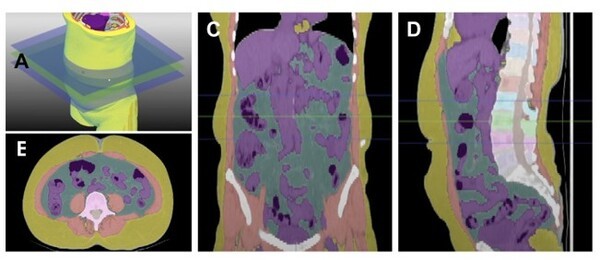
Its DeepCatch platform uses AI to analyze CT and X-ray images, quantifying information such as muscle and fat quantity and quality, bone density, and vascular calcification. By extracting additional health insights from images already taken, DeepCatch can support health assessment without requiring an additional scan solely for the analysis.

MEDICAL IP’s vision for a human digital twin extends beyond 3D visualization. The company aims to integrate medical images with clinical information, body composition, physiological signals, and, in the future, genomic and lifestyle data. These digital models could support applications such as surgical simulation, medical education, clinical decision-making, personalized treatment, and the assessment of treatment outcomes.
The article also highlights MEDICAL IP’s collaboration with NVIDIA. MEDICAL IP is developing human digital twins for healthcare, while NVIDIA provides AI computing capabilities and a digital twin ecosystem to help implement and scale these technologies.
MEDICAL IP is expanding a subscription-based Software-as-a-Service (SaaS) model centered on DeepCatch. The company is also broadening its customer base among hospitals and health screening providers and pursuing OEM supply and strategic partnerships with medical device companies. Its international growth strategy includes the United States, Europe, the Middle East, India, and Southeast Asia.
The company said it was preparing for a pre-IPO fundraising round in the second half of 2026 and targeting a KOSDAQ listing in the first half of 2027. Its long-term vision is to help shift healthcare from diagnosis to prediction and from treatment to prevention through digital twin AI.
LATEST NEWS



···
